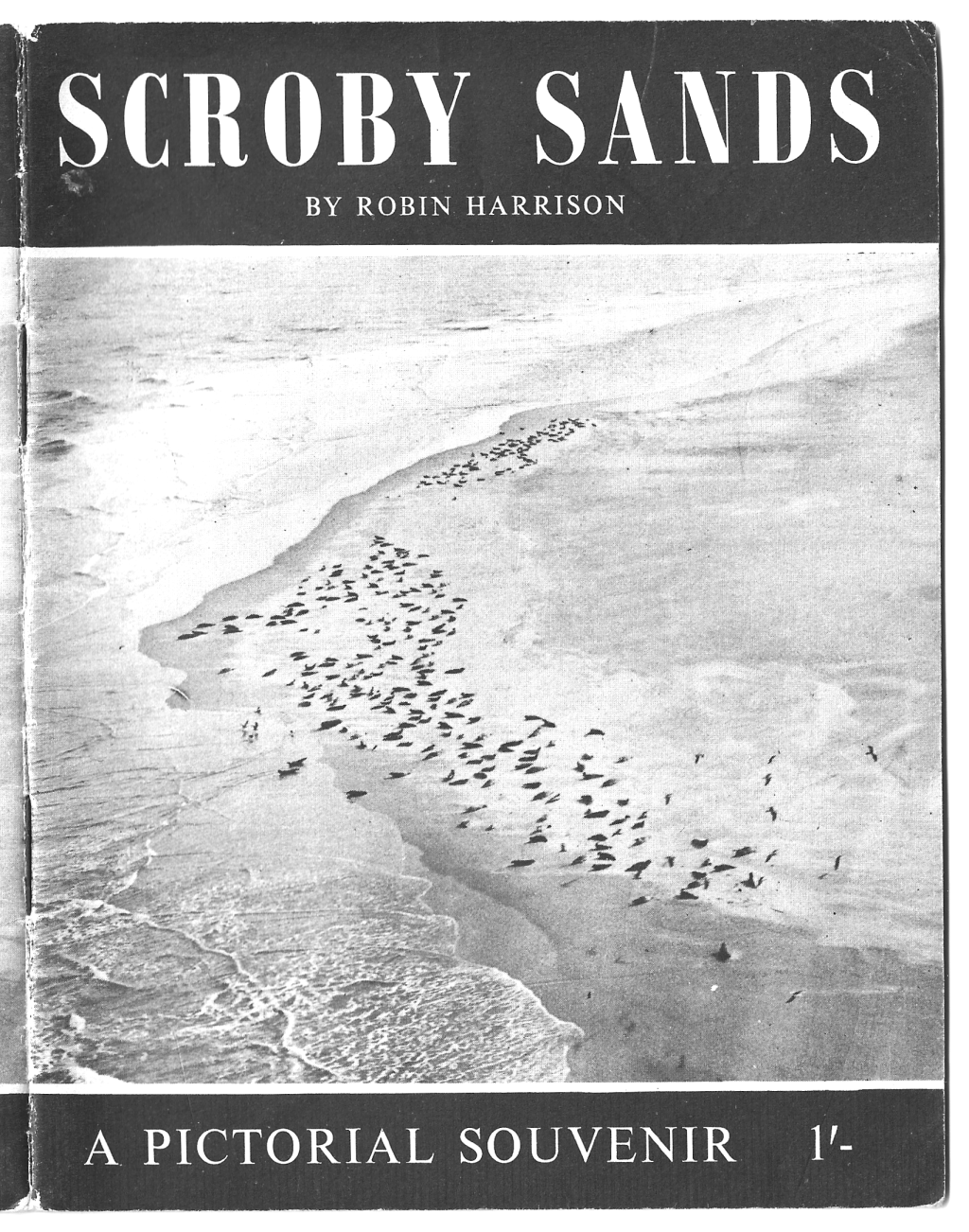
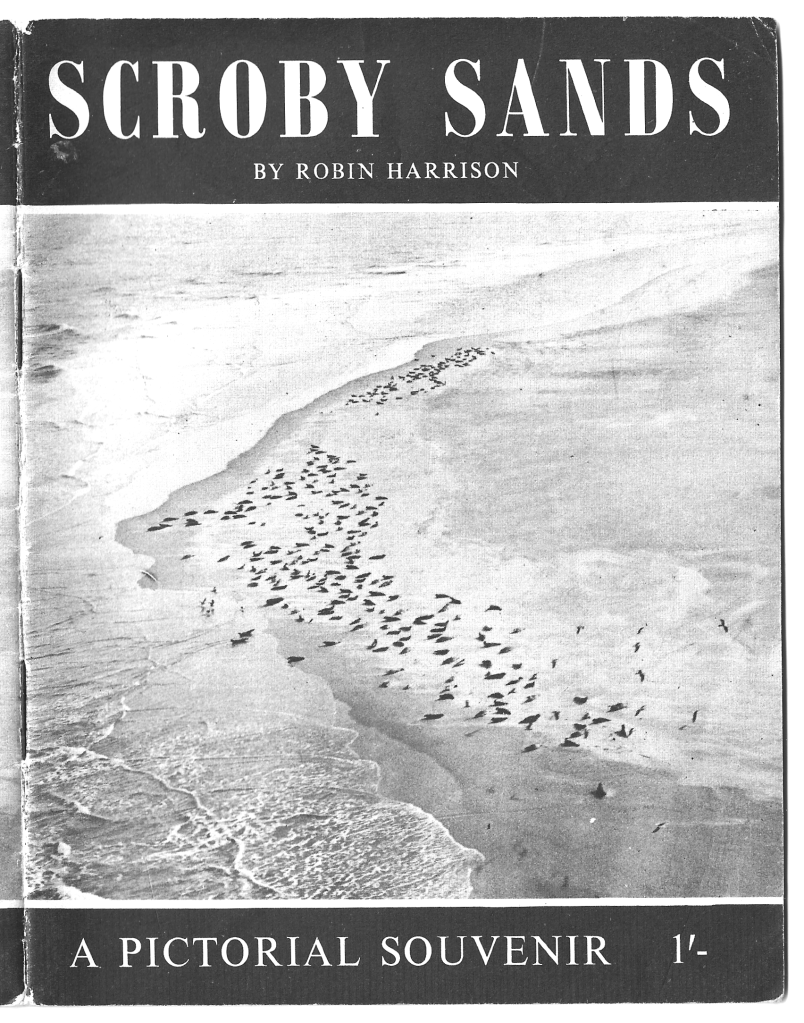
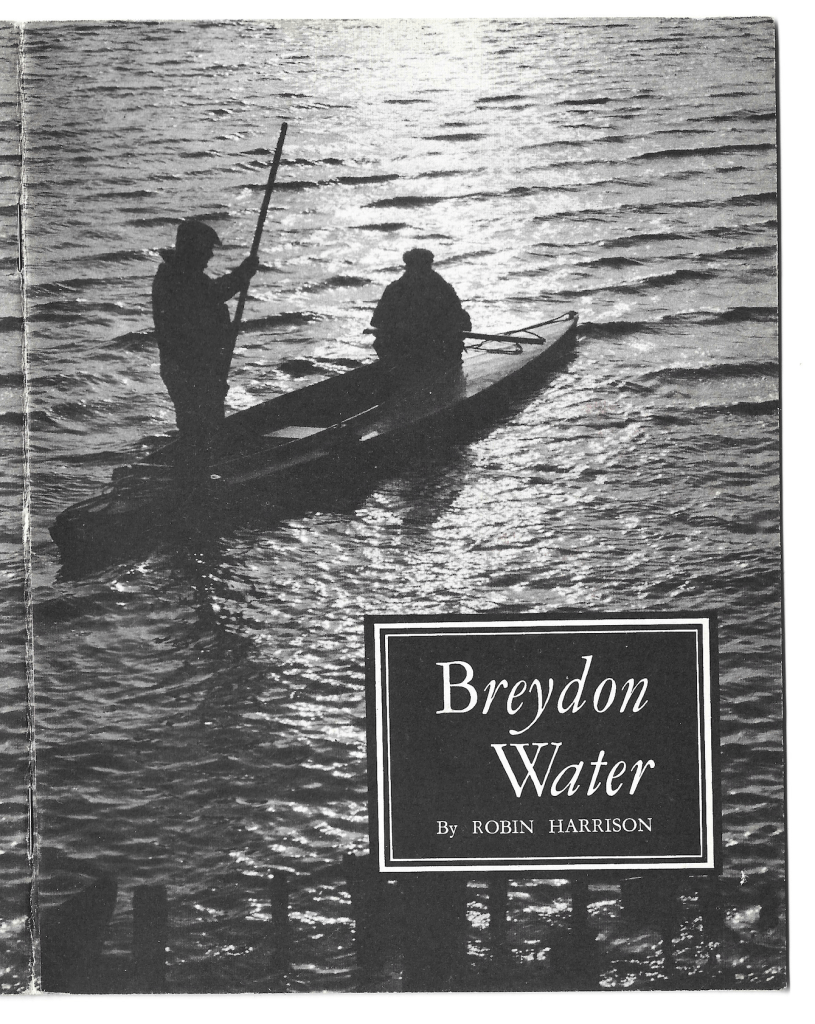
These two small books are two of my favourite finds from my collection. They were published by Jarrold & Sons and highlight two of Great Yarmouth’s finest and least-accessible features. There are no dates to speak of but they speak of events in the late 1950s so I would hazard a guess that they were published in the early 1960s.
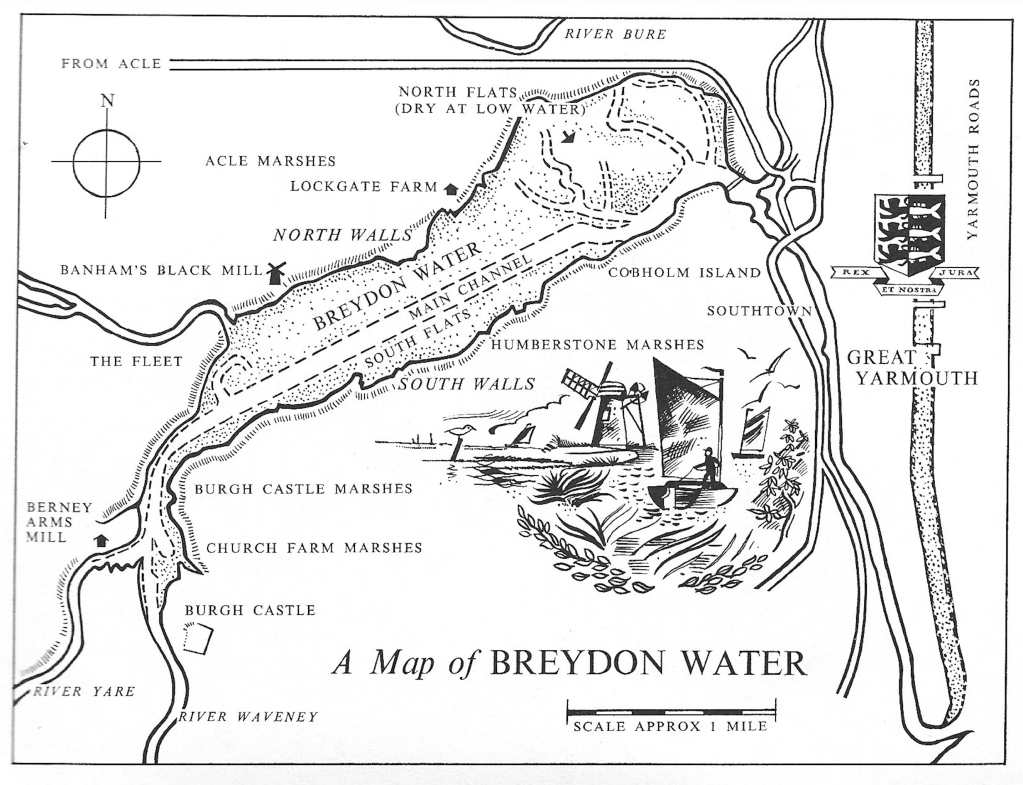
Some highlights from Breydon Water.
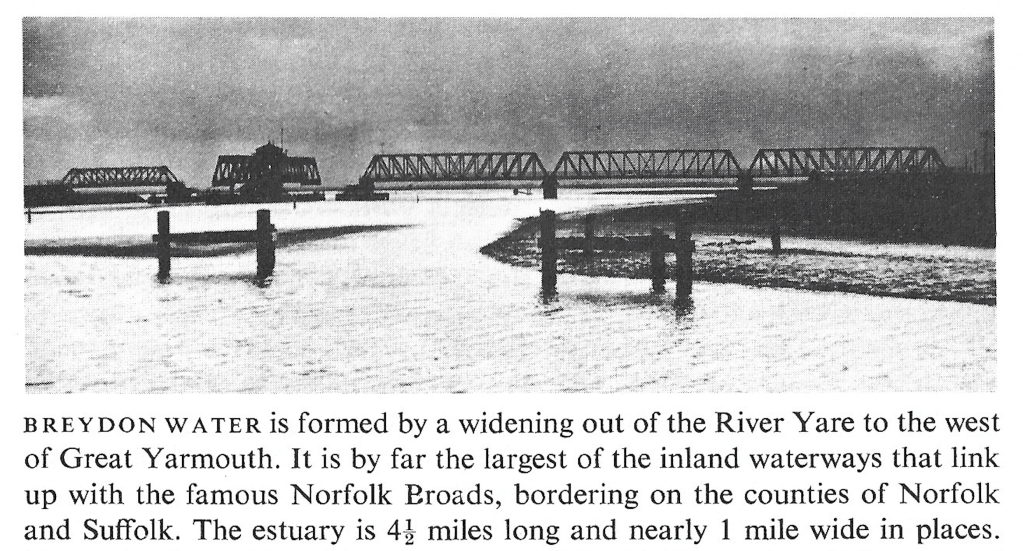
Standing on my houseboat staging and looking westward there are but four houses in an area of roughly 8 square miles. One of these lonely houses standing almost alongside the estuary wall about half a mile from my houseboat has no water, light or road; the occupants have no radio set and hardly ever see a paper. The postman never calls at the house; should there be any mail the postman comes through the marshes once a week, but then leaves the letters nearly a mile from the house. The lady of the house is over eighty, and told me she had not seen a doctor since she was eleven years old, and she has never seen a film in sound. Her husband looks after some 1500 acres of marshland adjoining the house.
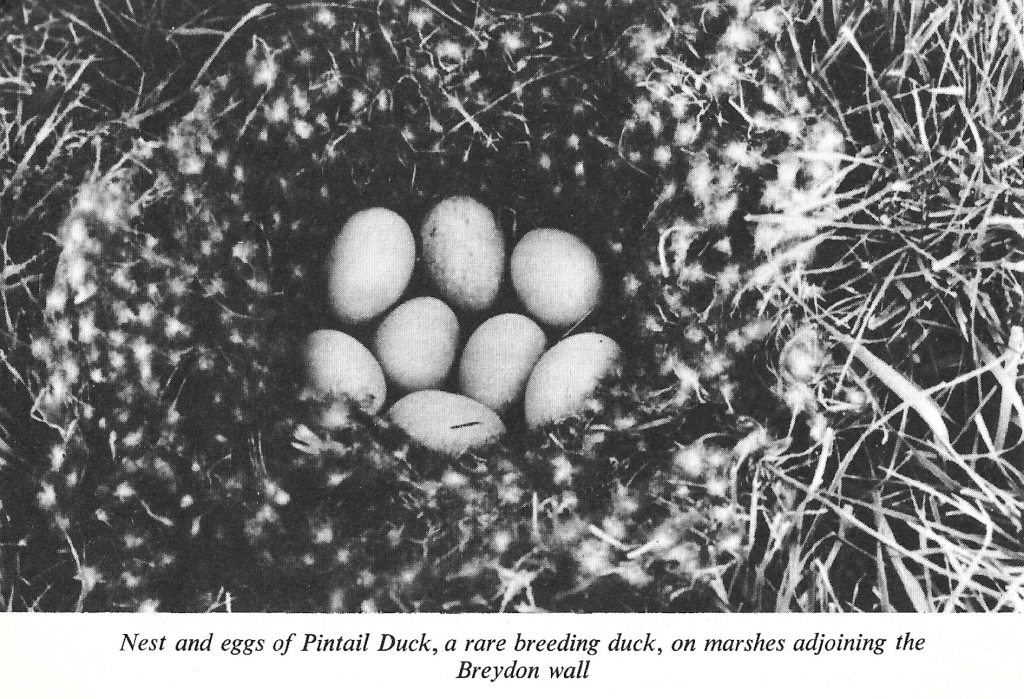
Some highlights from Scroby Sands
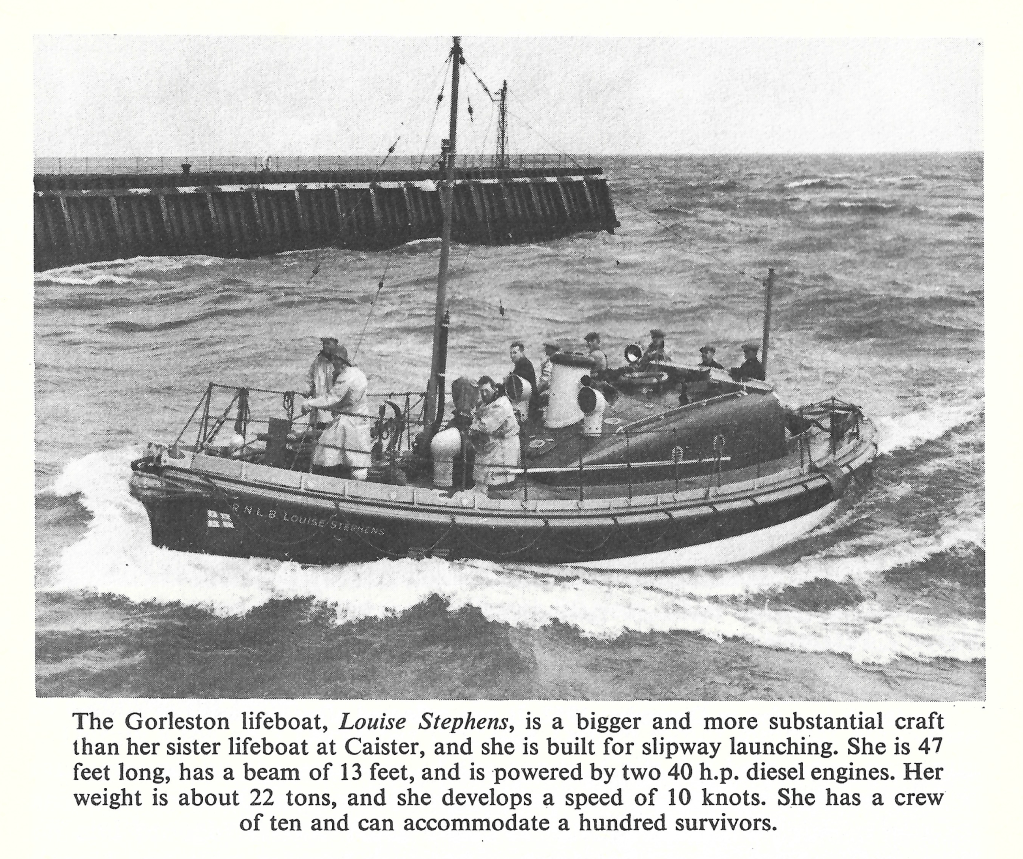
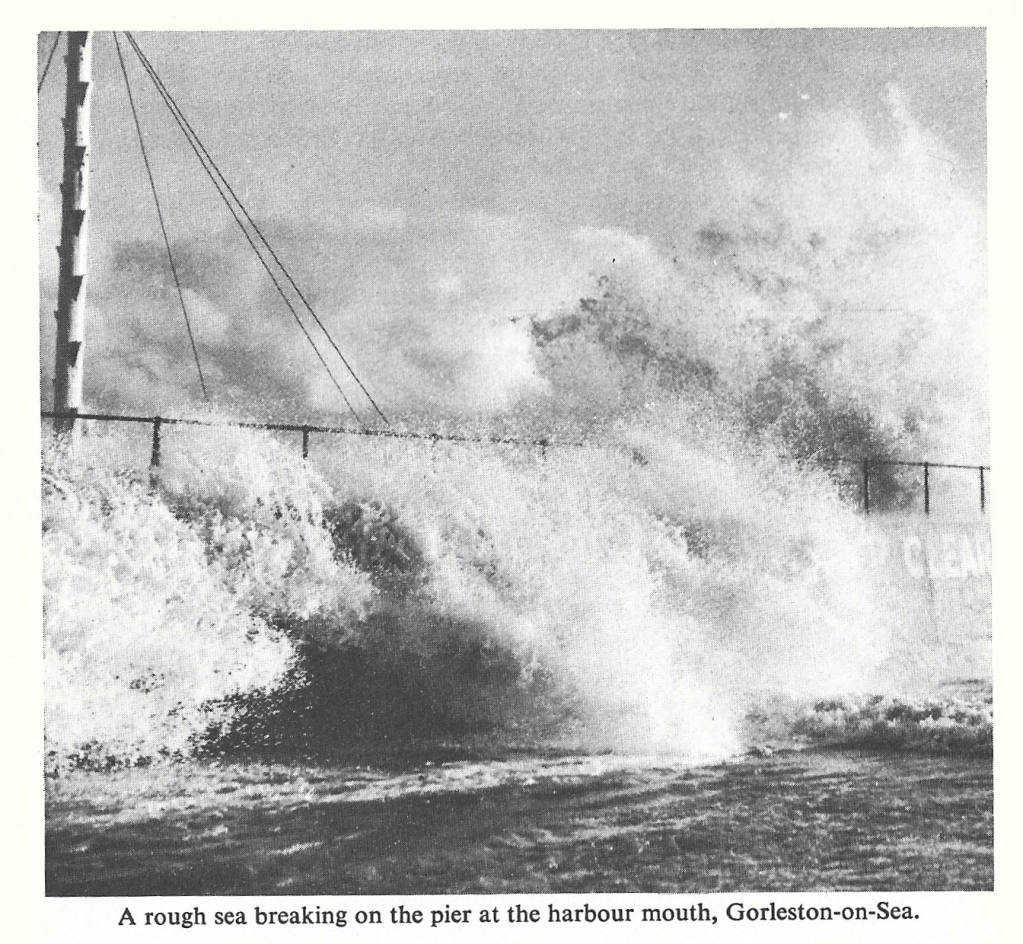
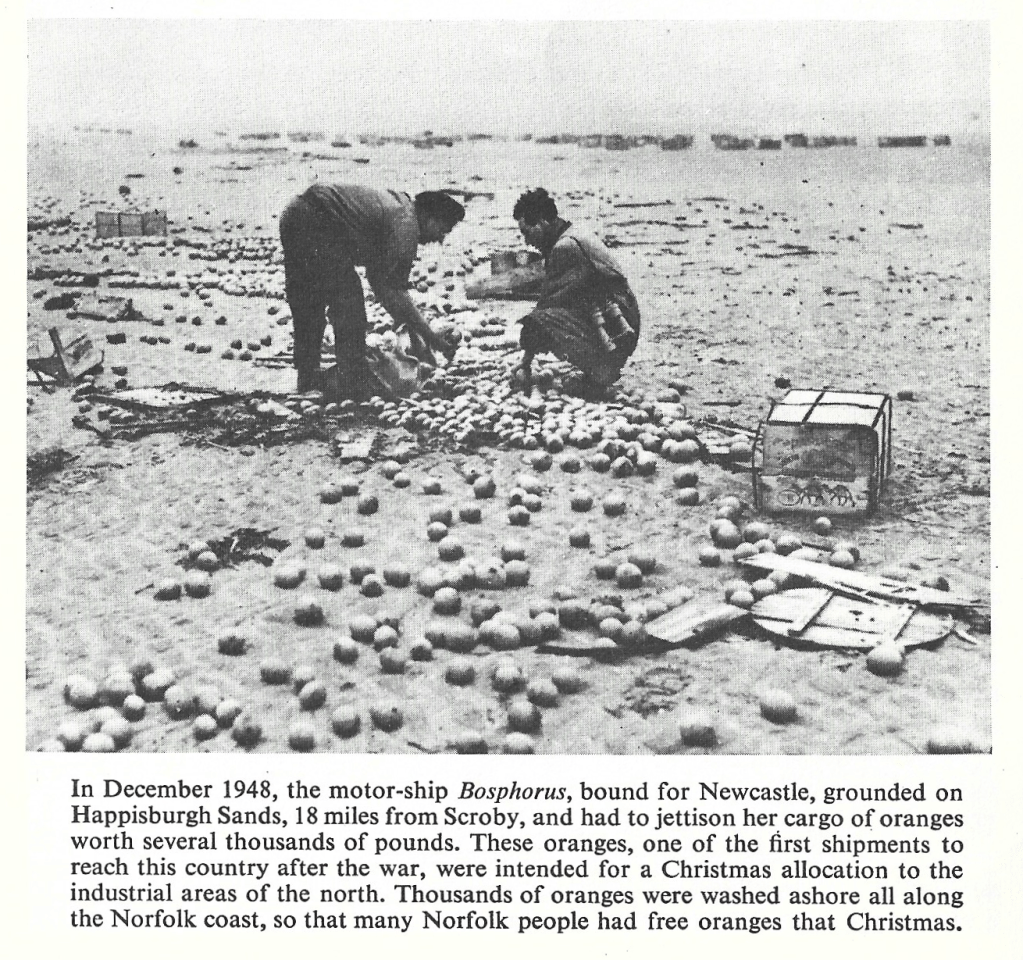
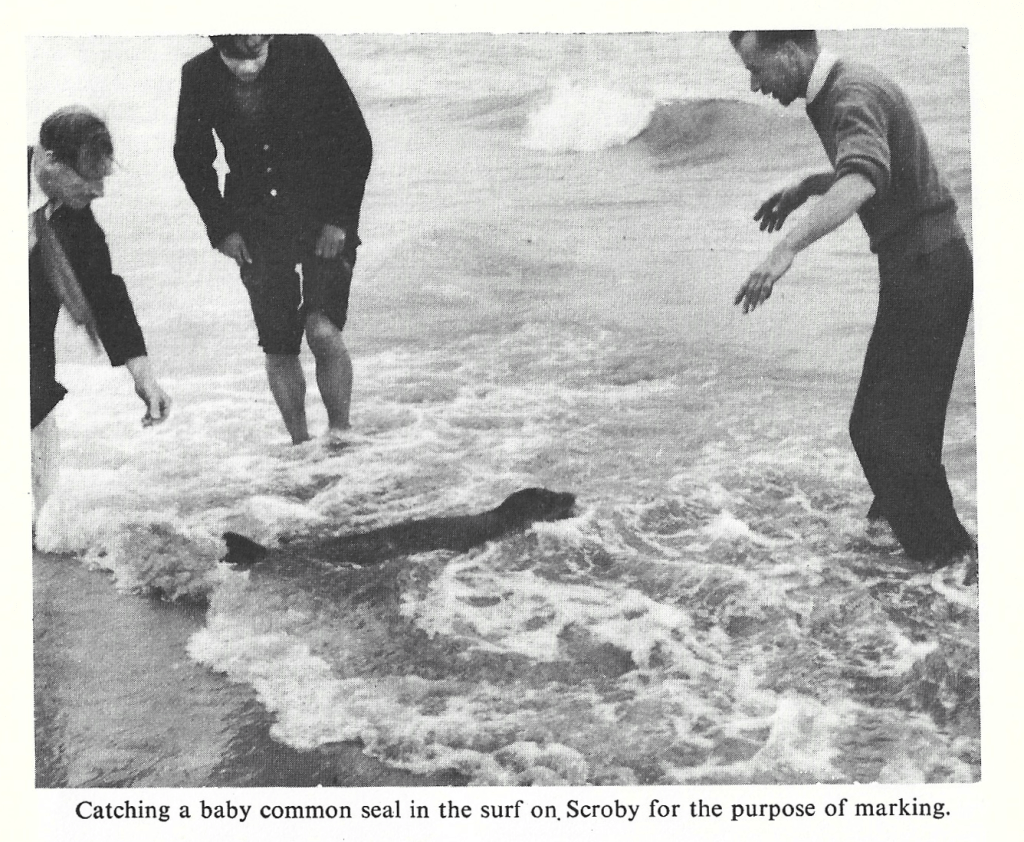
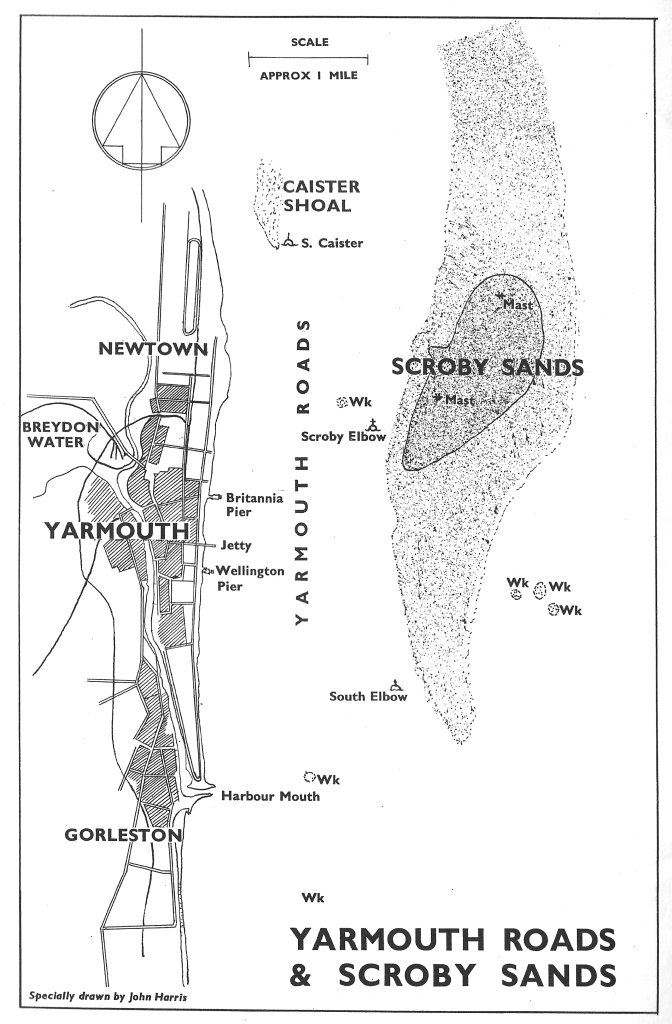
Thousands of holidaymakers looking out across the North Sea from the beach at Great Yarmouth see the Scroby Sands as a long line of golden sand rising out of a placid sunlit sea, like some South Sea island minus its vegetation, since there is no growth of any description.
These sands serve Yarmouth well as a natural breakwater. If they were not there Yarmouth would certainly not be the flourishing holiday resort it is today, for the town is built upon a sandbank and Scroby breaks the force of the waves that come rolling across the North Sea that would otherwise pound on the beaches and perhaps penetrate further inland.
More information about Robin Harrison, the author of these books, on the WISE archive: Notes from a Breydon Houseboat 1946-2021

